

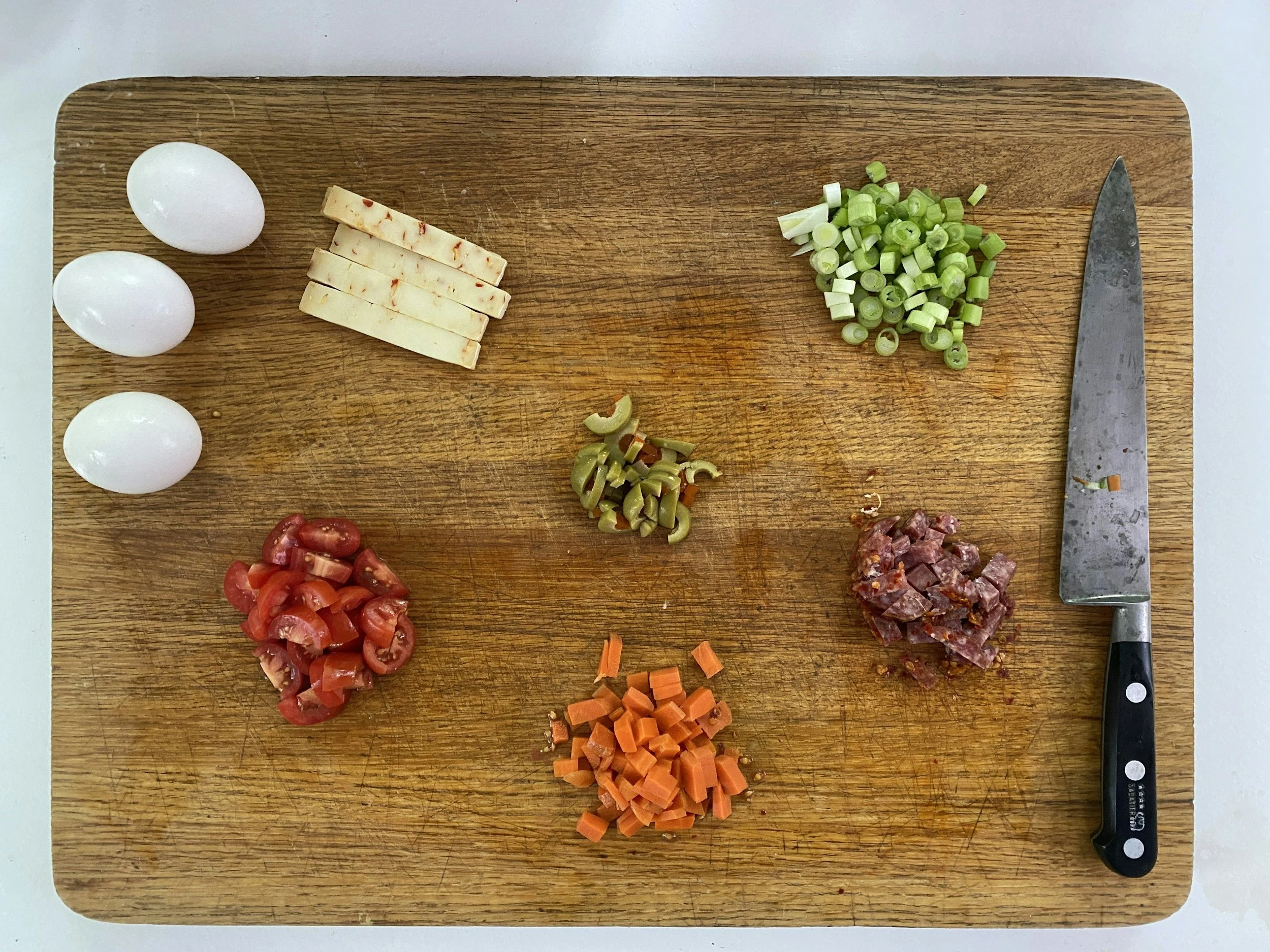
Cutting Board Care
Our cutting boards are designed to be used daily and to last for years with proper care in mind. Wood is a natural, living material, and like anything well made, it benefits from a little attention over time. With simple upkeep, your board will continue to perform beautifully while developing character through use.
With proper care, your Precision Grain cutting board will age gracefully—becoming more beautiful, more personal, and more yours with time. These are pieces meant to be used, enjoyed, and kept for years to come.
EVERYDAY CLEANING
For everyday cleaning, avoid soaking your board or placing it in the dishwasher. Excess moisture is the fastest way to cause warping or cracking. After use, wipe the surface with a damp cloth or wet sponge, and dry it immediately.
We recommend avoiding traditional dish soap whenever possible, as it can soak into the wood and eventually get into your food. Repeated use of soap can also strip the natural oils from the wood and leave it dry over time.
Instead, opt for more natural cleaning methods. For deeper cleaning or odor removal, coarse salt and lemon work exceptionally well. Sprinkle a generous amount of very coarse salt across the surface, then scrub it into the wood using half a lemon. The salt provides gentle abrasion while the acidity helps neutralize odors. Wipe clean with a damp cloth and dry thoroughly.
The Occasional Oil
Oiling your cutting board is essential for long-term care. Regular oiling helps seal the wood fibers, prevents drying or cracking, and brings out the natural grain. We recommend products from Howard Products, which we use and trust in our own shop. We are not sponsored or affiliated with this company whatsoever… we just love their products.
Apply the oil generously, allowing it to soak in for several hours or overnight, then wipe away any excess. Following up with a hardwax conditioner adds an extra layer of protection and leaves a soft, natural finish. Most boards benefit from oiling every few weeks, or whenever the surface begins to look dry.
Long-term Care
Knife marks are a normal and expected part of using a wooden cutting board. Over time, they tell the story of a well-used piece. If the surface becomes heavily worn or deeply grooved, sanding is an effective way to refresh it. For deeper marks, start with a lower grit such as 60 to level the surface, then work your way up gradually to 220 grit for a smooth finish. Once sanding is complete, remove any dust and reapply oil and conditioner to restore protection and appearance.